
How Disciplined Microcredit Transforms Rural Economies in Tanzania
Small loans, structured repayment, and community accountability are quietly changing lives across Kilimanjaro.
The Problem with Traditional Banking
For millions of rural Tanzanians, traditional banking is simply out of reach. Without formal employment, collateral, or a credit history, the doors of conventional financial institutions remain firmly closed. Yet these are the very people who need access to capital the most — women running small kiosks, transport operators moving goods between villages, and families trying to build a better life one season at a time.
This gap is not a new problem. It has persisted for decades, leaving rural communities to rely on informal moneylenders who charge exploitative rates, or simply to go without. The result is a cycle of poverty that is difficult to break through effort alone — because effort without capital rarely scales.
What Makes Microcredit Work
The concept of microcredit is straightforward: provide small, accessible loans to people excluded from traditional finance, at reasonable interest rates, with structured repayment terms. But the difference between microcredit that works and microcredit that fails lies in the details.
At HPE, the first loan is deliberately small — 100,000 TZS for 90 days at 6% interest. This is not an accident. The small size and short term serve a specific purpose: they give participants time and space to shift from a survival mindset to a business mindset. Before worrying about growing a business, a borrower must first learn to treat money as a tool rather than a lifeline.
The Role of Groups
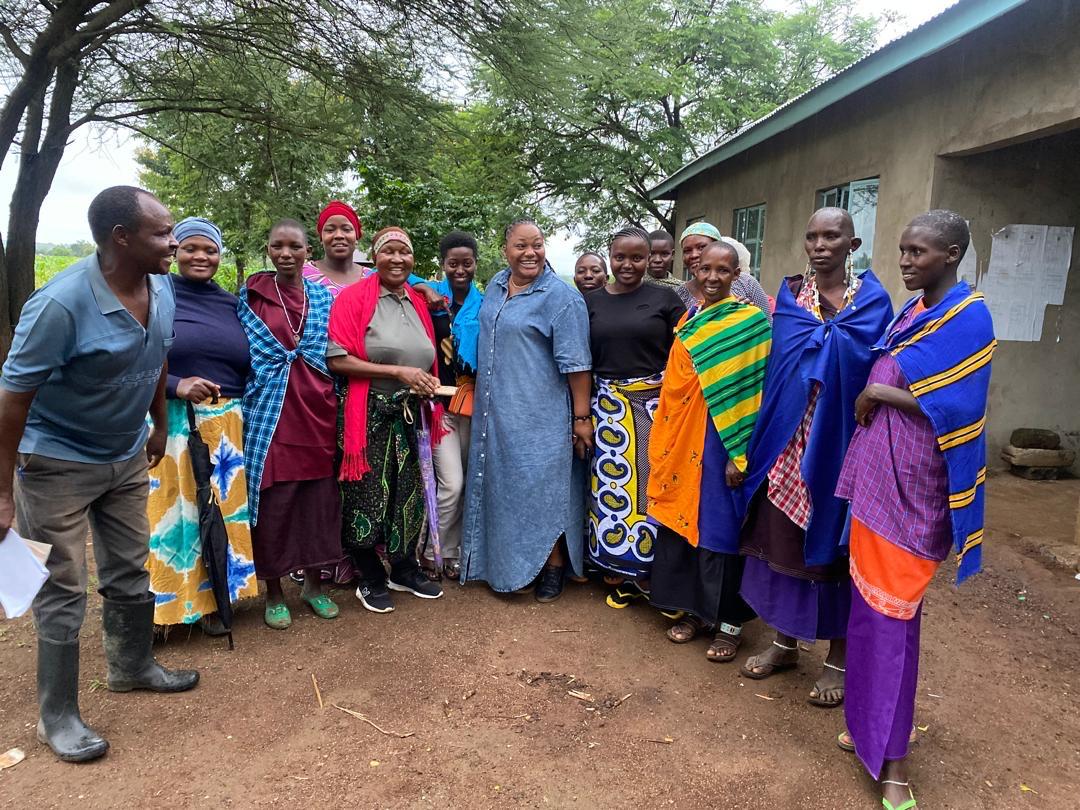
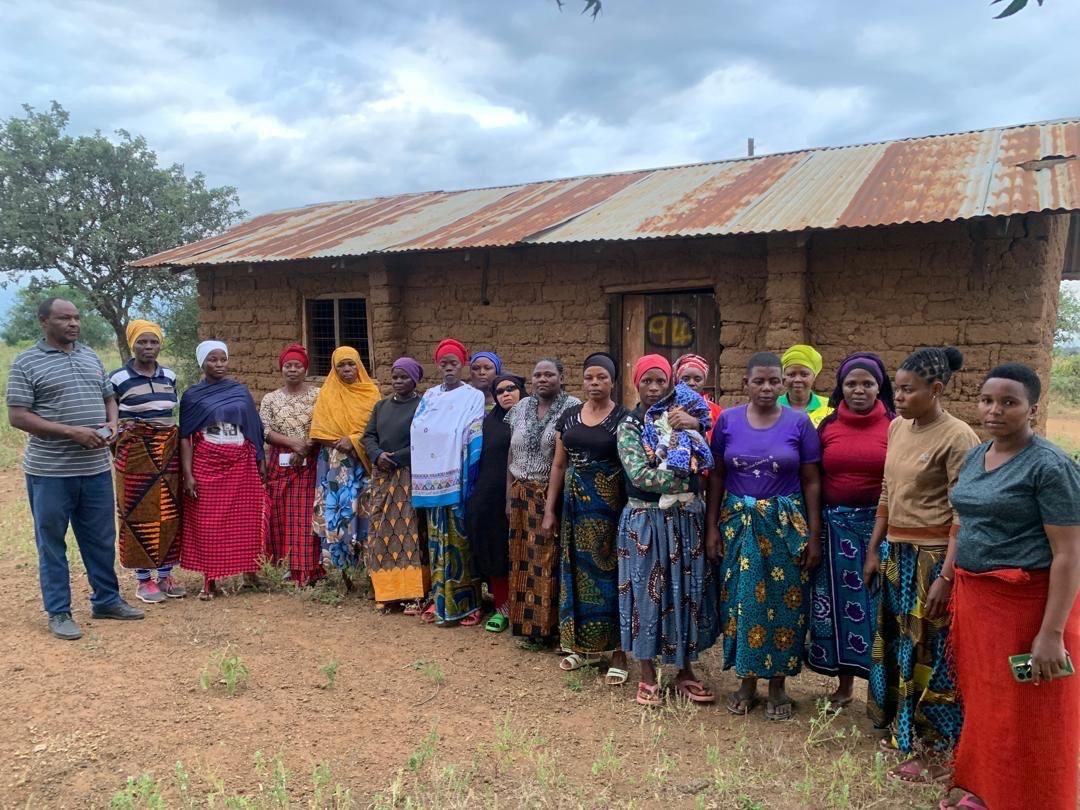
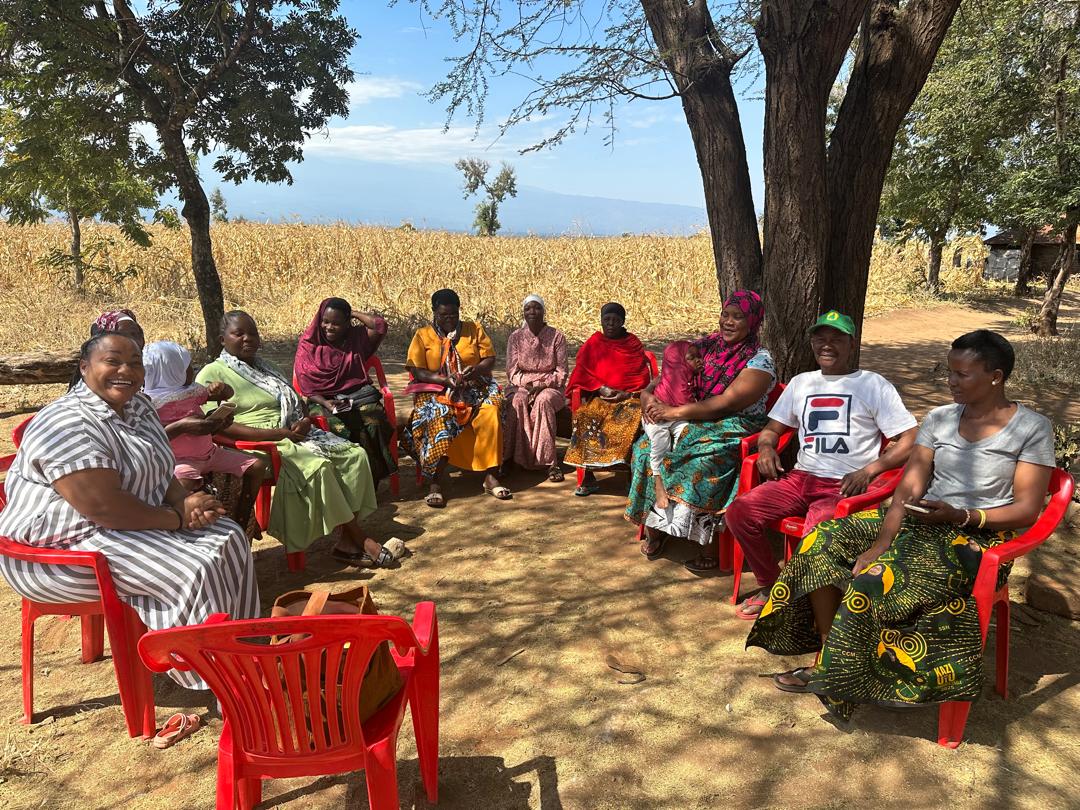
One of the most powerful elements of HPE's model is the group structure. Women do not borrow in isolation — they borrow as part of a group of fifteen, organized by a trusted community leader. This creates natural accountability without punishment. When one member struggles, others offer support. When one succeeds, her story encourages the rest.
Groups also reduce the administrative burden of lending. Rather than managing hundreds of individual relationships across scattered villages, HPE works through group structures that already have roots in the community. This keeps costs low and trust high.
Repayment as Empowerment
It might seem counterintuitive, but the act of repaying a loan is itself empowering. Every completed repayment cycle is evidence — to the borrower herself, to her family, and to her community — that she is capable of managing money, honoring commitments, and running a business. This track record opens doors that were previously closed.
To date, no HPE participant has ever missed a payment. This is not luck — it is the result of careful borrower selection, transparent terms, community accountability, and genuine support from HPE staff who travel directly to villages to meet with groups in person.
The Ripple Effect
The impact of a single microloan extends well beyond the borrower. When a woman earns more, her children eat better, attend school more consistently, and access healthcare. When a transport operator finances a Guta vehicle, he connects his village to markets, reducing post-harvest losses and enabling other entrepreneurs to sell their goods. When interest earned is reinvested into new groups, the benefits multiply across the community.
This is what disciplined microcredit looks like in practice — not charity, but structured opportunity. Not dependency, but a pathway to independence.
Looking Ahead
HPE currently operates in two villages — Mbatakero and Ngosero — serving 21 women's groups and 18 transport operators. The goal is expansion, not for its own sake, but because the model works and more communities deserve access to it. With continued support from donors, partners, and the communities themselves, that expansion is both possible and sustainable.